
What to Pack for a Nuweiba Beach Holiday: A Practical Sinai Checklist
Packing for Nuweiba? A practical Red Sea beach checklist covering clothing, sun care, day visits, families and accommodation planning.
The best thing about a trip to Nuweiba is often the space it gives you to slow down. Between the Red Sea shoreline and the mountains of South Sinai, days can be wonderfully uncomplicated. Packing, however, deserves a little thought. A relaxed holiday feels much easier when you have what you need for sun, sand, changing temperatures and long conversations after dinner. This guide is designed for visitors considering Sondos Camp and other Nuweiba beach accommodation. It focuses on useful essentials rather than a giant shopping list, and it distinguishes general destination advice from specific facilities that should be confirmed with your host.
Begin with your actual plan
Before packing clothes, look at your itinerary. Are you staying overnight or visiting just for the day? Are you travelling as a couple, with friends, with children or on your own? Will you mainly rest by the water, or might you arrange independent activities away from the camp? An overnight bag needs different things from a day-use backpack. Start by noting your dates, the expected weather for your visit and the facilities confirmed for your selected accommodation. If you are still comparing options, browse the Sondos room collection first. Choosing a suitable room now makes it easier to decide what is worth carrying and what can stay at home.
Clothes for bright days and cooler moments
Light, comfortable clothing is a sensible foundation for a Red Sea trip. Choose pieces you can wear more than once, especially if your idea of a holiday is to spend time outdoors rather than dress for a formal programme. Add a long-sleeved layer for sun protection and a warmer layer for evenings or travel through changing conditions. Even when afternoons are warm, the temperature and wind can feel different after sunset. Pack for the forecast rather than assuming every month feels the same. Comfortable clothes you already like wearing will do more for your experience than filling a suitcase with outfits that never leave the bag.
Sun protection that you will actually use
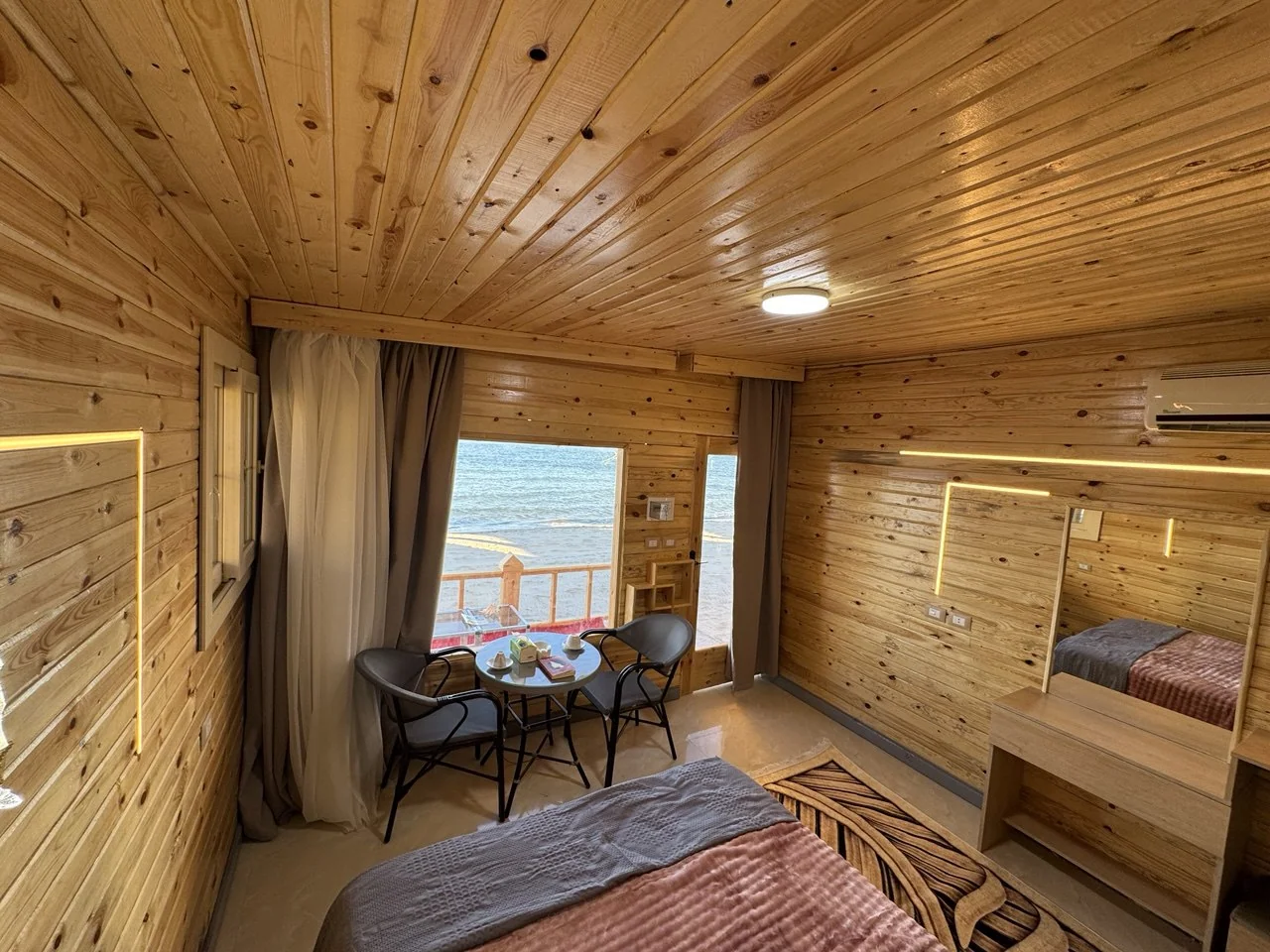
A comfortable hat, sunglasses and suitable sunscreen are essential considerations for time near the sea. Sunscreen is only useful if you apply it correctly and reapply according to the product directions, especially after swimming or towelling off. Think about covering your shoulders and carrying a light shirt, too. Shade can make the middle of the day easier, but no photograph can guarantee that a particular room or stretch of beach will be shaded at the hour you need it. If you are travelling with children, plan extra sun protection and breaks indoors or in appropriate shade. Good preparation means enjoying the light without making direct exposure the whole activity.
Footwear for more than one surface
For a relaxed camp visit, a comfortable pair of sandals or slip-on shoes may be useful. A second pair with better support can make arrival, walking and short outings more pleasant. Some shorelines have changing ground conditions, so do not assume that every beach is uniformly sandy or that footwear is unnecessary in the water. If you intend to enter the sea, ask locally about the specific access point and current conditions before deciding whether appropriate water shoes are worthwhile. Protecting your feet is a small detail that can affect the rest of the holiday. Pack footwear that you have already worn comfortably, not a new pair that may be difficult after a long journey.
Bring water and keep it accessible
A reusable water bottle is easy to forget until the first sunny afternoon. Carry enough drinking water for your journey and confirm where to obtain more after you arrive. Avoid assuming that every drink or bottled water is included in an accommodation rate. For day-use visitors, a compact bag with water, sun protection and personal essentials can be more practical than carrying a full overnight case. Keep medications and any items that are difficult to replace in your hand luggage rather than in an inaccessible bag. If you are travelling with a group, agree who is responsible for essentials so that everybody does not rely on one person’s forgotten supply.
Swimming and snorkeling items: plan responsibly
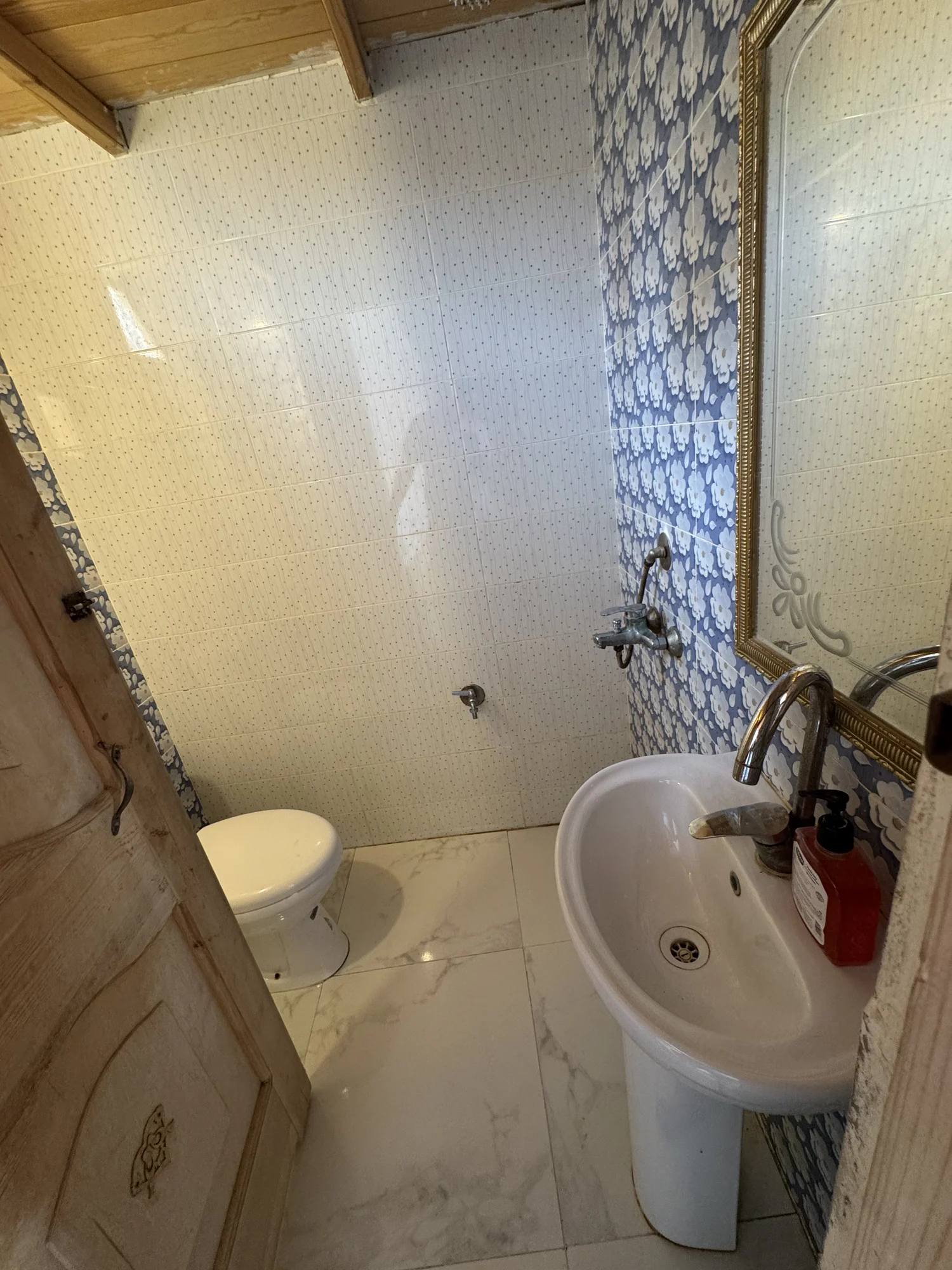
Nuweiba is known as a destination where some visitors enjoy coastal snorkeling and other marine activities, but conditions differ from place to place and from day to day. A swimsuit and a quick-drying towel may be useful if you plan time by or in the water. If you intend to use specialist equipment, check the location, local guidance and the availability of a qualified operator instead of assuming it is provided by the camp. Do not touch or stand on coral, and avoid approaching marine wildlife for a photograph. Review your swimming ability and ask about weather, currents and access restrictions. A beautiful sea view is not an automatic indication that every area is safe for swimming.
Toiletries, personal care and medication
Pack the toiletries you need for your usual routine, rather than expecting every small product to be available at a beach camp. Include any prescribed medication in its appropriate packaging and enough quantity for your trip, plus personal items you cannot easily substitute. Travellers with allergies or particular health requirements should prepare a written list of their needs. An overnight stay at Sondos Camp includes meals, but that fact alone does not establish a special dietary service, so discuss allergens with the team in advance. A small personal-care pouch also saves you from searching the bottom of a large bag whenever you want a simple item.
Phones, chargers and practical documents
Charge your phone and power bank before setting out. Bring a compatible charger and any cable or adapter you know you need, and consider saving your reservation and contact details for offline access. If you are travelling across long distances, keep identification, travel tickets and important addresses accessible. Do not rely entirely on a mobile data connection to retrieve information at the last minute. It is also worth sharing your expected arrival time with the accommodation team. The contact page is the place to clarify arrival instructions, not a guarantee that every transport service or late check-in arrangement is offered.
Pack differently if you are travelling with children
Family trips are easier when each person has a small set of essentials within reach. Consider familiar snacks for the journey, spare clothing, a favourite comfort item, suitable hats and age-appropriate sun protection. The beach is an engaging place for children, but supervision near water remains essential regardless of how calm a photograph looks. Confirm room capacity, bedding and bathroom arrangements before choosing accommodation. Sondos lists different single, double and triple configurations, and the real physical room assignment must be confirmed by staff. Review the frequently asked questions and send precise questions where the answer is important to your family.
What to pack for Day Use
If you are coming to spend just a day at the camp, keep your bag light. Think sunscreen, a hat, comfortable clothing, a towel if appropriate, a water bottle, personal medication and a secure place for valuables. Check the current Day Use offering, meal inclusions and booking requirements directly on the Day Use page before travelling. The day-use programme is different from an overnight stay and should not be treated as including access to a private room or unlimited services. A few minutes of preparation make it easier to enjoy the day rather than spend it trying to replace missing essentials.
Leave room for the experience
You do not need to pack a complete entertainment schedule. Consider one book, a notebook or a small camera, but leave room in your plans for simply watching the sea. If you enjoy photography, carry a cloth to keep sand and moisture away from equipment and be thoughtful when photographing other guests. The Moments gallery gives a sense of the camp’s atmosphere, but your own trip will depend on light, weather and the company you keep. Packing less can be freeing, provided the essentials are covered and you have checked the accommodation details.
Before you zip the bag
Use one final checklist: travel documents, confirmed dates, contact details, medication, sun protection, suitable footwear, water for the journey, charger, clothes for day and evening, and any personal essentials. Ask the camp about specific facilities rather than guessing from photographs. If you have not decided whether to stay overnight or visit for the day, compare the accommodation options with the Day Use experience. A thoughtfully packed bag is not about carrying everything. It is about arriving prepared enough to set your bag down, look towards the Red Sea and enjoy the reason you came to Nuweiba in the first place.