
Snorkeling Near Nuweiba: Planning Responsibly Along the Red Sea
Learn how to plan snorkelling near Nuweiba responsibly, including operator safety, marine conservation and flexible itineraries.
The Red Sea is celebrated for its marine environment, and the idea of spending time looking beneath the surface can be one of the reasons travellers choose South Sinai. But a beautiful stretch of coastline does not automatically make it a safe or permitted place to enter the water. Snorkelling near Nuweiba is an activity to plan with local knowledge, appropriate equipment and respect for the marine environment. Conditions change, shore entries vary, and some areas may be restricted or sensitive. This guide explains questions worth asking before arranging an excursion, without asserting that Sondos Camp supplies snorkelling tours, equipment or supervised swimming. The camp is a place to consider for your Nuweiba accommodation; any marine activity should be confirmed separately with a qualified local provider who can explain current safety conditions.
Why the Red Sea attracts curious travellers
There is something compelling about seeing a coastal landscape from two perspectives: mountains and sky above, marine life below. Visitors may imagine calm clear water and the chance to observe fish or coral. Those images can be inspiring, but they are not a reliable safety assessment. Visibility, currents, wind, wave conditions and the condition of a particular entry point all matter. A responsible traveller treats marine encounters as a privilege rather than an entitlement. If your trip is mainly about relaxing on the shoreline, that is a complete experience in itself. If you want to snorkel, decide whether you have the swimming ability and confidence required, and ask qualified local guides to assess the suitability of the specific location on the day you plan to visit.
Choose a reputable operator and ask clear questions
Before paying for any snorkelling excursion, ask the operator how it assesses weather, currents and participant ability. Find out whether it provides suitable equipment, flotation aids, instruction and supervision; whether the activity is suitable for children or inexperienced swimmers; and what happens if conditions are unsafe. Confirm the meeting point, transportation, duration, price, cancellation policy and any conservation restrictions. Do not rely on social-media photos or a seller’s informal assurance that a site is ‘always safe’. If an operator cannot explain its safety procedures in understandable terms, keep looking. The Contact page can help with questions about the camp itself, but the person delivering a water activity is the appropriate source for its technical and safety arrangements.
Be realistic about your swimming ability
Snorkelling can seem simple because a mask and snorkel are familiar objects, but confidence in a swimming pool is not necessarily the same as being comfortable in open water. Be honest about your experience, stamina and ability to respond calmly if conditions change. Tell the operator about relevant limitations before the outing and follow its instructions. People who do not swim confidently should not assume that wearing equipment makes open-water activity safe. Choose a suitable alternative if the conditions or the proposed route do not match your abilities. If anyone in the party becomes uncomfortable, there is no shame in stopping. A holiday is meant to leave people with positive memories, not a sense that they had to prove their courage to keep up with friends.
Protect the marine environment
Responsible snorkelling means observing rather than interfering. Avoid standing on, touching or collecting coral, and do not chase, grab or feed marine animals. Follow instructions about protected areas, marked routes and permitted entry points. Choose equipment and practices that reduce damage to fragile habitats and stay aware of where your fins are moving. A traveller who treats the sea as a living environment rather than an attraction to be handled helps preserve it for future visitors. Photography should never justify approaching an animal too closely or placing yourself at risk. If a guide asks you to stay away from an area, follow that instruction even when the water looks calm. Marine conservation and visitor safety are closely connected because many sensitive areas also require careful movement.
Prepare the right essentials
Ask the provider exactly what equipment is included before deciding what to pack. A properly fitted mask, appropriate clothing and suitable footwear can improve comfort, but the correct choice depends on the location and the professional guidance you receive. Bring drinking water, sun protection, a towel and a dry place for personal items. Check whether electronic devices need waterproof protection and avoid taking valuables into the water without a secure arrangement. Never leave medication or important identification in an unattended beach bag. Our Nuweiba packing checklist covers practical travel essentials beyond water activities. If you are unsure whether a product is environmentally suitable, ask the operator or follow guidance from appropriate conservation authorities.
Understand the importance of the day’s conditions
The same beach can feel very different on two different days. Wind can influence surface conditions, visibility can change, and access routes may be altered by local restrictions. For this reason, avoid booking a trip that depends entirely on the assumption of perfect water conditions. Build flexibility into your itinerary and confirm the outing again shortly before departure. A responsible operator should be prepared to change or cancel the activity if conditions become unsuitable. Treat that as a sign of good judgement rather than a disappointing inconvenience. The strongest travel plans include alternatives that make the day worthwhile without entering the water. A quiet shoreline walk, photography, reading or a shared meal can still create a satisfying day on the Red Sea.
Travelling with children or first-time snorkellers
Families should ask additional questions before arranging a marine activity. Does the operator accept children of the relevant ages? How are non-swimmers treated? Is there one-to-one or small-group supervision where required? What are the rules about flotation devices, boat boarding and swimming boundaries? These are not details to work out after arriving at the shore. Children should always be supervised directly around water, even when they are not participating in an organised outing. If one family member prefers to stay dry, make sure there is a comfortable alternative rather than pressuring them to join. The family guide includes a broader checklist for room choices, meal planning and practical needs during a Red Sea holiday.
Avoid overloading the rest of your day
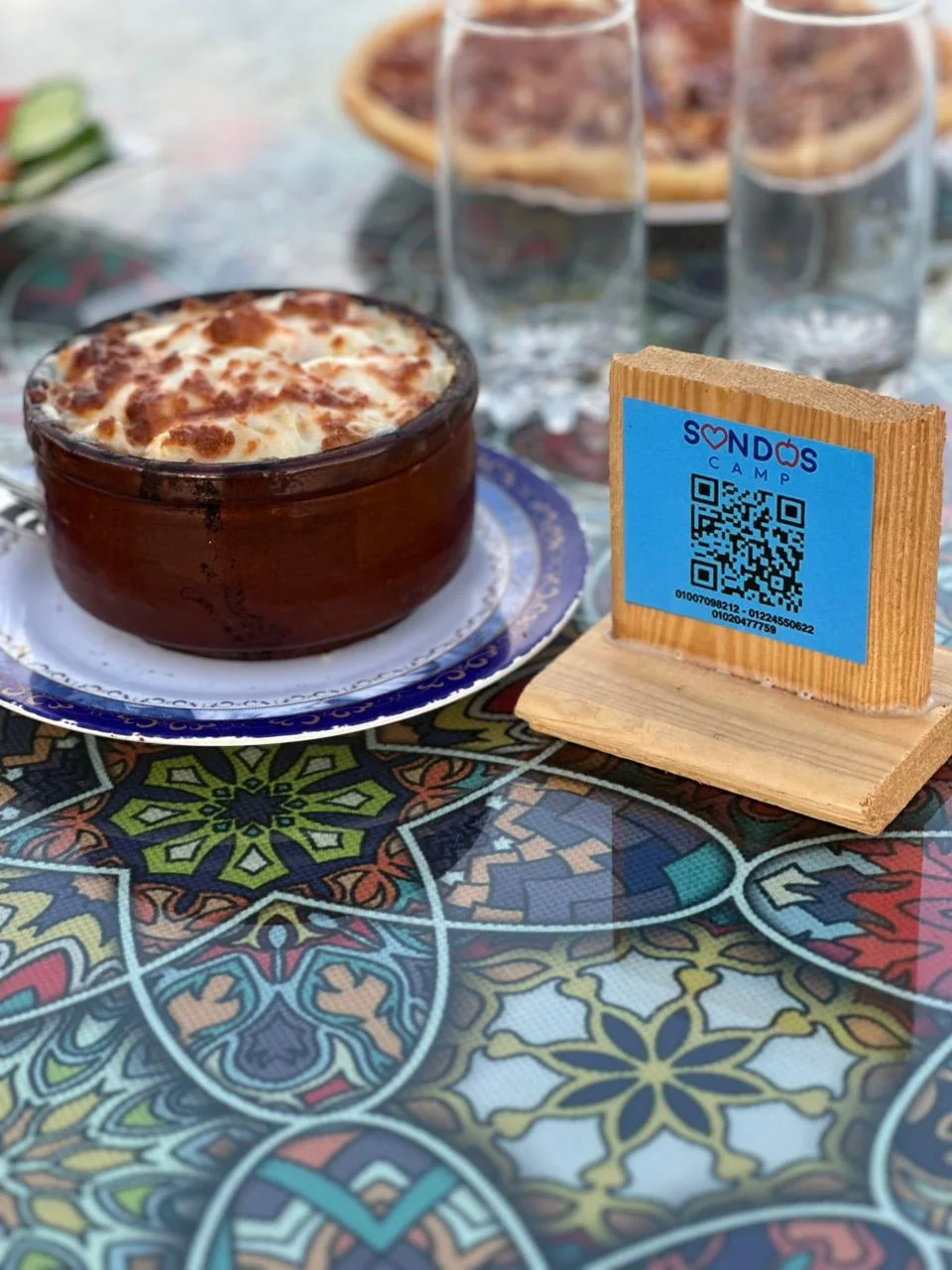
Even a short excursion can be tiring, especially with travel, sun exposure or unfamiliar physical activity. Leave enough time to rest afterwards and allow for a change of plan if the outing is delayed. Sondos Camp’s overnight stays include an oriental breakfast and a meat-or-chicken dinner option, which may help you plan a relaxed evening after an independently arranged activity. Confirm the actual meal schedule with the team and do not assume a special dining time will be available. The Foods section gives an introduction to the camp’s meal experience. A comfortable evening can be a more satisfying conclusion than another rushed trip across the coastline. Think of water exploration as one part of the holiday, not an obligation that must dominate every hour.
Remember that not entering the water is also a valid choice
Some visitors love the Red Sea most when they are sitting on its shore, watching the light change and hearing the water from a comfortable distance. There is no lesser version of a beach holiday. If conditions are rough, someone is nervous or an operator cannot meet your safety expectations, choose a different activity or enjoy the coastal scenery. The Moments gallery offers a sense of the Sondos setting without suggesting that every photo location is a snorkelling site. Respecting your own limits can make a trip more memorable in the right way. It also allows the marine environment to remain the focus of appreciation rather than a backdrop for unnecessary risk.
Plan the whole visit, not just the excursion
A responsible snorkelling plan begins before you leave and ends after you have returned safely. Confirm transport, accommodation, current conditions, any necessary permissions, equipment and an alternative if weather changes. Select the activity provider for its competence rather than for the boldest advertising. If you want to stay at Sondos Camp while exploring the region, compare the actual accommodation groups and make an enquiry through Plan Your Stay. The website does not guarantee live room availability, instant reservations or a snorkelling service. Separating those decisions lets you enjoy the coastline with clearer expectations and gives you more room to appreciate what makes Nuweiba special: sea, scenery and the freedom to experience both at a sensible pace.